Preventing Frozen Pipes in a Brooklyn Winter
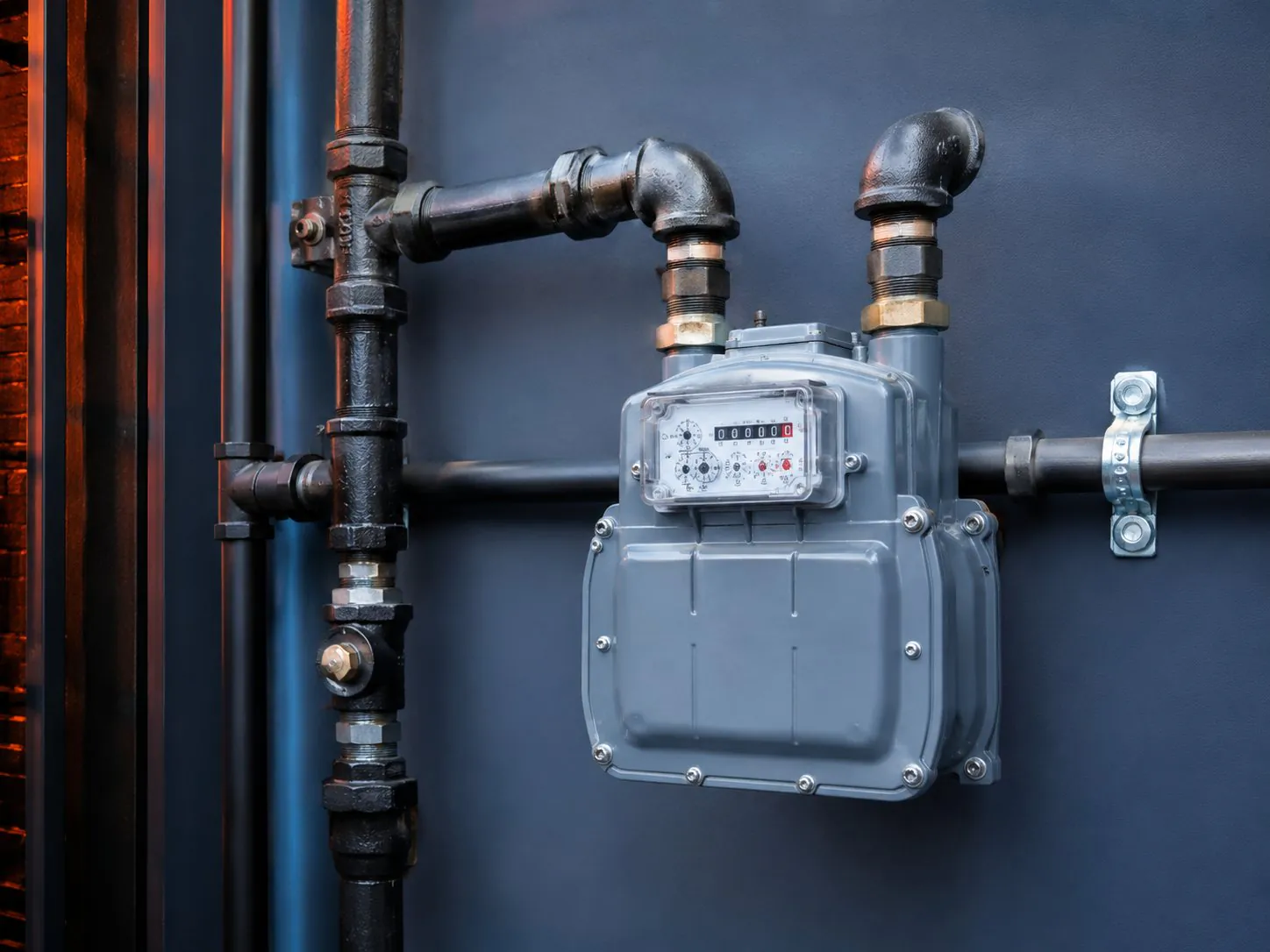
A frozen pipe can burst and flood a home in minutes. A little preparation before the cold sets in goes a long way.
When water freezes it expands, and the pressure can split a pipe wide open. In older Brooklyn buildings, the most vulnerable pipes are the ones in unheated spaces — basements, crawlspaces, garages, and along exterior walls.
Before the cold hits
- Insulate exposed pipes in unheated areas with foam pipe sleeves.
- Seal drafts near pipes — gaps around vents and foundation walls let cold air in.
- Disconnect garden hoses and shut off outdoor spigots.
- Know where your main shut-off valve is, before you need it.
During a cold snap
On the coldest nights, let a faucet drip slightly — moving water is far less likely to freeze. Keep the heat on even when you are away, and open cabinet doors under sinks so warm air reaches the pipes.
If a pipe freezes
If no water comes out of a faucet, you may have a frozen pipe. Keep the faucet open, apply gentle warmth (never an open flame), and call a plumber if you cannot locate or safely thaw it. If a pipe has already burst, shut the main valve immediately and call for emergency service.